


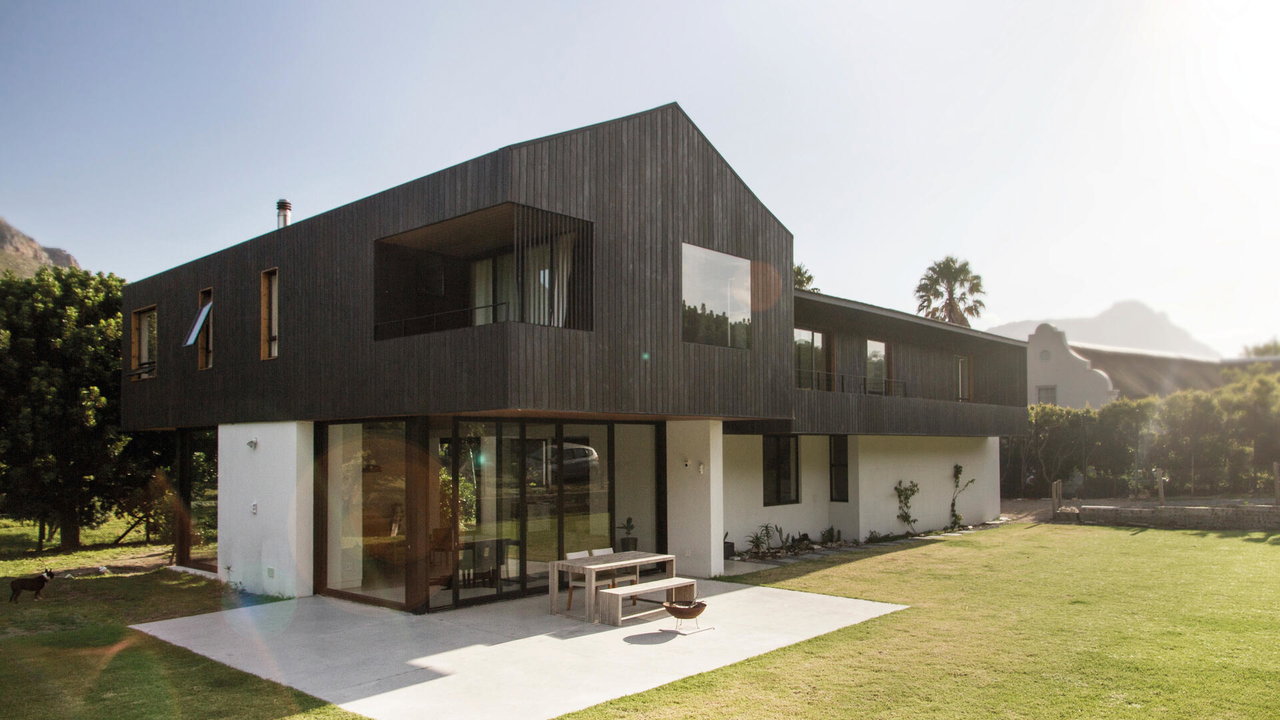
EXTERIOR WOOD CARE
Outdoor wood protection
How to choose the best finish for your decking, cladding and fences.

By Jan Torfs, Global R&D Director at Rubio Monocoat. 20+ years in wood protection technology, molecular bonding and compliance.
ON THIS PAGE
The short answer
The best outdoor wood protection depends on the surface and the look you want.
For cladding, fences, decking and garden furniture, a single-layer exterior oil (e.g. Rubio Monocoat DuroGrit) colours and protects in one go, keeps the grain visible, and stands up to UV, water and foot traffic.
For vertical surfaces where you prefer an opaque colour, or for renovating older, weathered timber, a breathable, water-repellent cream (e.g. Rubio Monocoat WoodCream) works well on cladding, fences and gates.
Discover exterior wood protection by Rubio Monocoat
SIDE BY SIDE
DuroGrit or WoodCream? The main difference
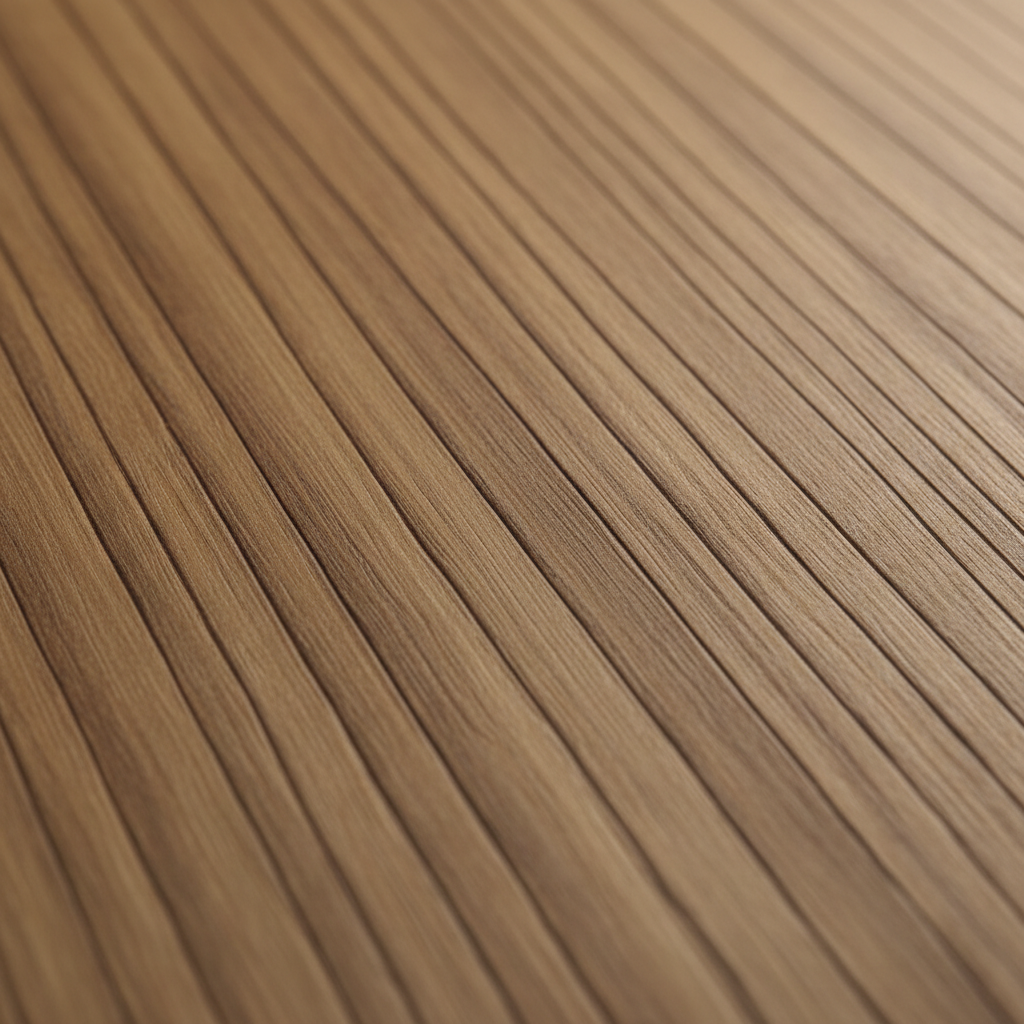
DuroGrit
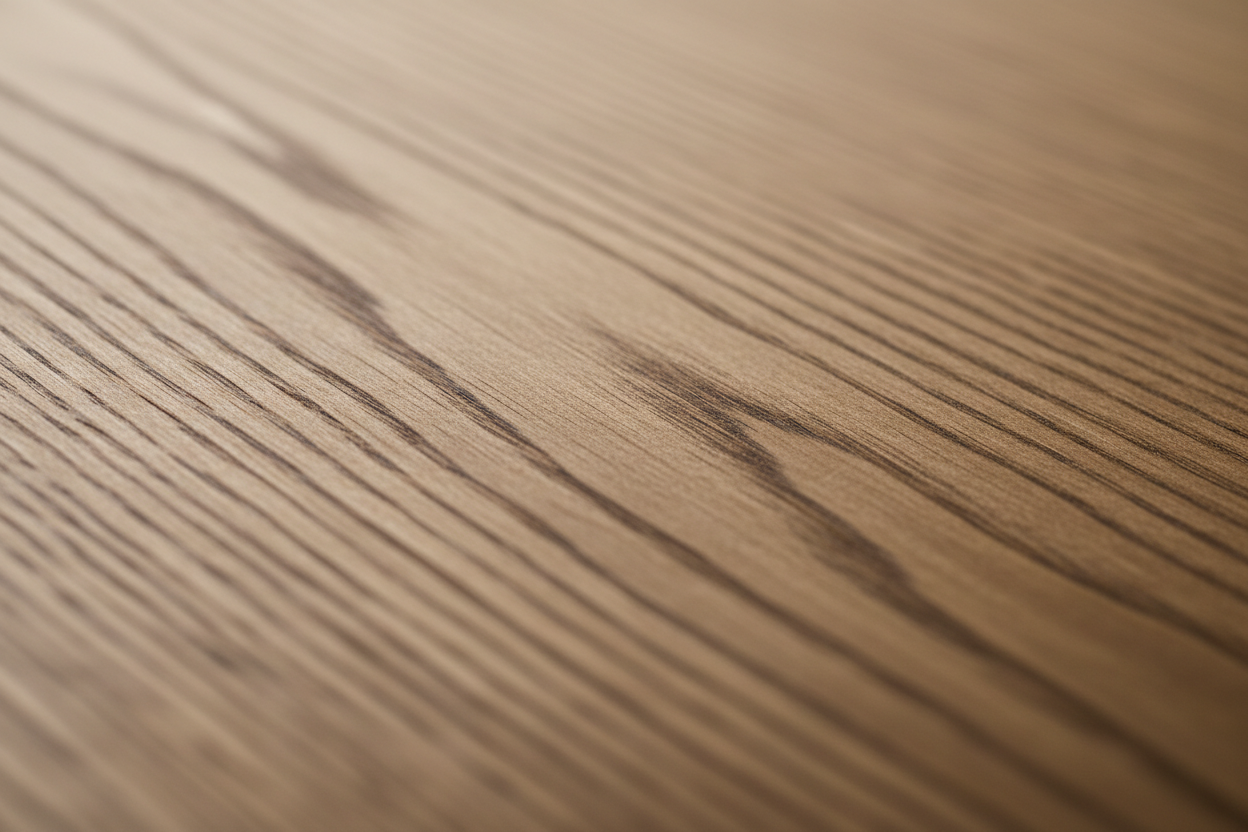
WoodCream
Overview
DuroGrit is a hybrid oil fortified with actual wood fibres (~ FibreGrit Technology), which hold more UV stabilisers and give it strong UV protection while keeping the grain visible.
WoodCream is a cream with hydrophobic, breathable, self-cleaning technology: water beads and rolls off, carrying dirt with it. The cream protects without forming a film , and without risk of cracking.
Technology
FibreGrit, protects from within
Wax-based cream, protects on top
Finish
Semi-transparent, natural matte
Opaque coloured, satin
Surfaces
Vertical and horizontal
Vertical only
Applications
Decking, terraces, cladding, fences, furniture
Cladding, fences, gates, sheds
Best for
New wood, natural wood look
Renovation, coloured finish, older wood
Look
Grain stays visible
Paint-like colour, grain softened
VOC content
0%
0%
Match the finish to the SURFACE
Which product for which surface? A decision table
Surface
Recommended product(s)
Key reason
Decking & terraces (horizontal)
UV protection, water resistance and protection against constant foot traffic.
Cladding. For a natural, transparent look
Lets the grain show through while protecting from UV.
Cladding. For an opaque colour
Water-repellent, ideal for weathered or older timber. Perfect for renovations.
Fences & gates
OR
DuroGrit for a natural look, WoodCream for a solid colour and easy upkeep.
Garden furniture
Natural finish with weather protection on horizontal and vertical parts.
Greyed wood you want to restore
Clean back to a sound surface, then re-protect in the original colour.
Best finish for decking & terraces
Decking takes the hardest beating outdoors: full sun, standing water and constant foot traffic on a horizontal surface. DuroGrit by Rubio Monocoat is built for exactly this.
It penetrates and protects from within, holds UV stabilisers to slow greying, and repels water and dirt while keeping the open-pore structure that stops cracking and peeling.
Maintenance frequency depends on weather, exposure, orientation, wood type and colour, but in normal conditions expect up to 5 years on vertical surfaces and up to 2 years on horizontal ones.
We recommend a yearly visual check-up just after winter. If the colour has faded evenly and the wood has not greyed, clean it with Exterior Wood Cleaner and apply a fresh layer of DuroGrit in the original colour, diluted with up to 20% water to keep the finish from becoming too opaque. Uneven fading or greying means the surface should be sanded and re-coated.
Best finish for timber cladding & fences
Vertical surfaces do not get walked on, but they face heavy weather. You have two options depending on the look you want.
For a natural, transparent look on cladding and fences, use Rubio Monocoat DuroGrit. The grain stays visible, and the wood keeps its character, with UV protection slowing the greying. Because cladding is vertical and sheds water, the maintenance cycle is long: typically up to 5 years under normal weather.
For a solid, opaque colour, or when renovating older, weathered or previously coated timber, use Rubio Monocoat WoodCream. It brushes on like paint but stays breathable without cracking, it beads water for a self-cleaning effect and is forgiving to apply. It holds colour for 5 to 10 years depending on the colour, wood type and orientation, with the water-beading pearl effect gradually easing after about five years.
Why outdoor wood goes grey
Two forces wear down exterior wood: sun and water.
UV radiation breaks down lignin, the compound that holds the wood’s colour, so the surface turns from its original tone to silver-grey. Water drives the rest: it feeds algae, moss and mould, and the constant wetting and drying causes cracking, cupping and movement.
Film-forming products try to seal the wood off, but on a surface that swells and shrinks with the weather, a film eventually cracks and peels, and then the only fix is stripping it back.
A penetrating, breathable finish takes a different route: it slows greying with UV protection while letting the wood breathe, so it wears rather than peels, and refreshes without stripping.

PREVENTION & CARE
How to stop wood cladding going grey
You cannot stop greying completely, since it’s a natural UV process, but you can slow it down a great deal and reverse it once it starts.
THE EVIDENCE
Wood oil coverage, cure & maintenance cycles
DuroGrit
WoodCream
Layers
1 single layer
1 layer (2 for more opacity)
Coverage
8–15 m²/L*
12–20 m²/L*
Drying time
1–3 hours
± 12 hours
Curing time
3 days at 20 °C
Pearl effect after ± 3 hours
VOC content
0%
0%
Vertical maintenance
Up to 5 years
5–10 years colour retention
Horizontal maintenance
Up to 2 years
Not for horizontal use
Working temperature
10–30 °C, dry weather until 10 hours after application
Avoid frost; dry conditions
Surfaces
Vertical and horizontal
Vertical only (not windows/doors)
*Note: coverage varies a lot with wood type, weathering and preparation. Old, untreated or grooved wood absorbs more, sometimes down to about 6 m²/L, so buy slightly more than the per m² guide suggests and make a sample first.
GET IT RIGHT
How to apply DuroGrit?
Preparation is everything outdoors. Your wood must be clean and open enough to absorb the product.
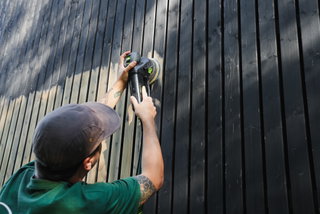
1
Prepare the surface. Clean and open the pores by sanding with sandpaper up to grit 120 (coarser sanding promotes better product adhesion) and/or using Exterior Wood Cleaner.
2
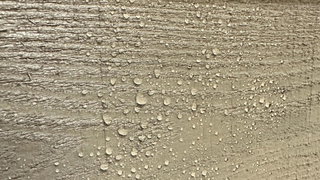
Run the water test. Sprinkle a few drops on the dry wood. They should soak in within seconds. If the water drops sit on top, the wood is not dry enough or not porous enough yet.
3
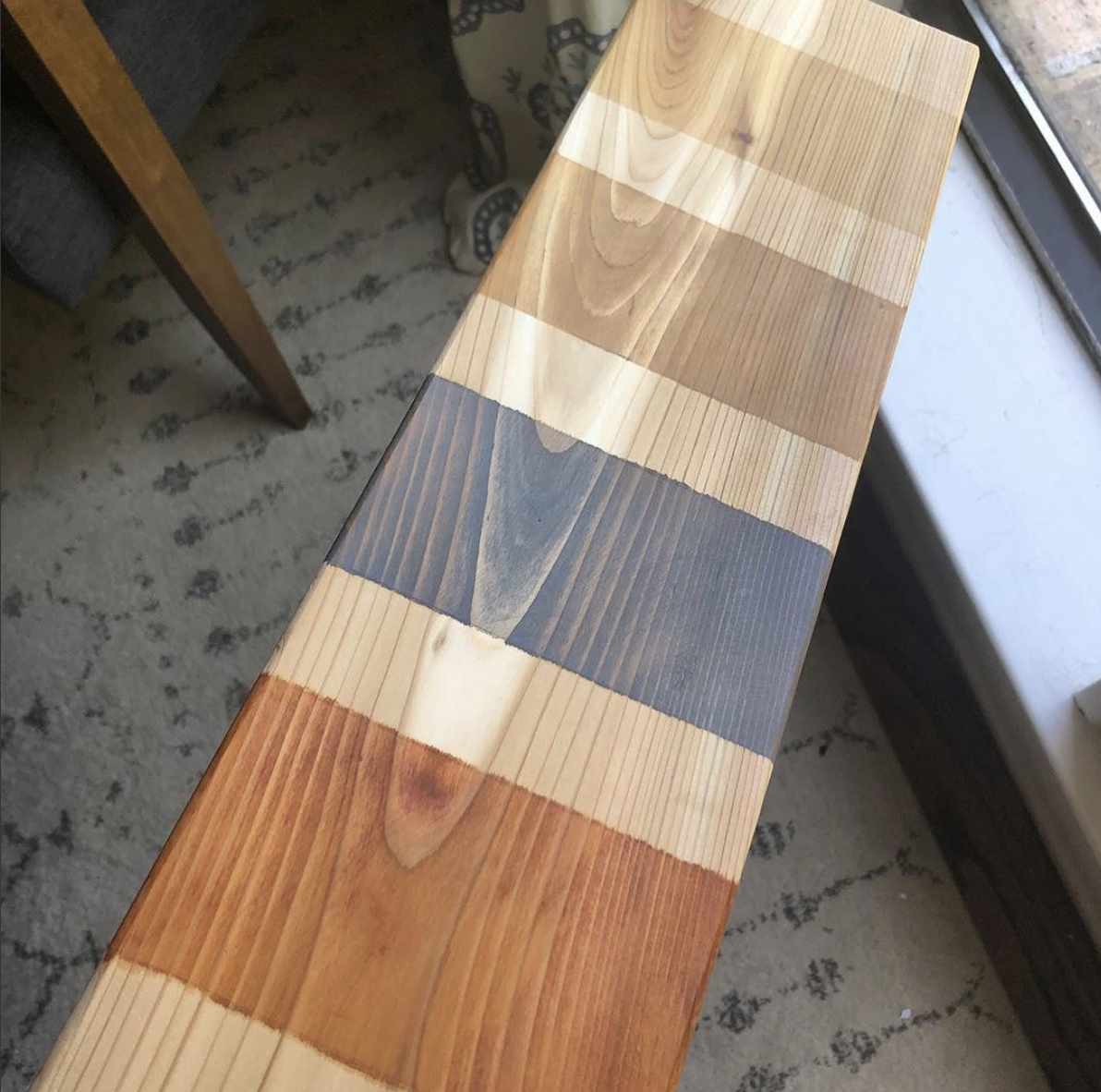
Check conditions. Apply only between 10 and 30 °C, in dry weather, out of direct sun, with no rain expected for 10 hours. Test the colour on a small area first.
4
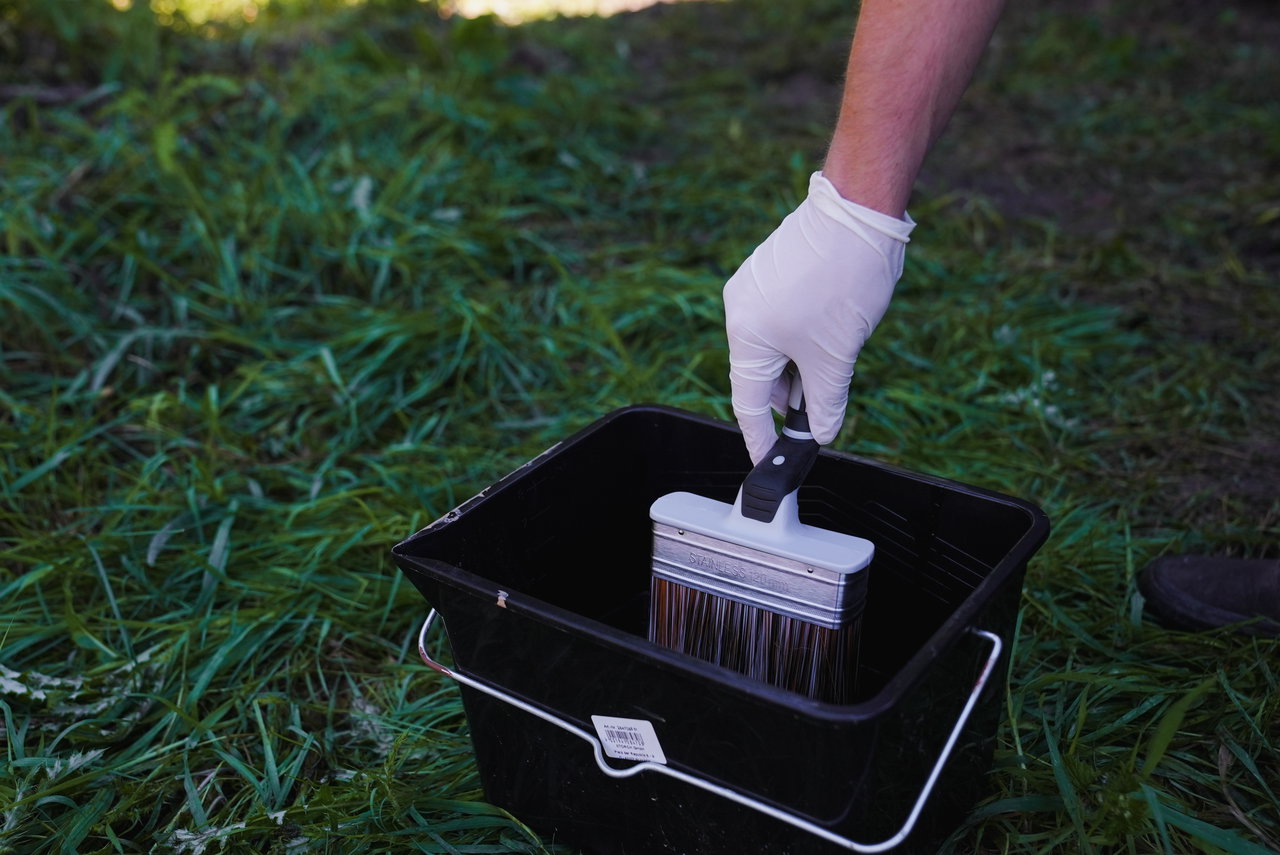
Stir the product thoroughly. Using several cans? Mix them together for consistent colour.
5
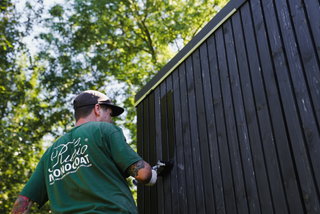
Apply a generous, even coat with a brush, working the full length of each board. Keep a wet leading edge and work in sections of one or two boards.
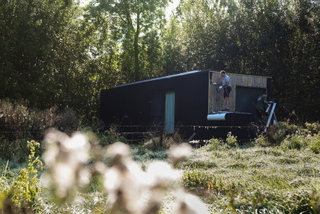
6
Let it dry about 3 hours. Light foot traffic on decking is fine in normal weather, but wait 3 days before returning furniture and resuming normal use.
How to apply WoodCream?
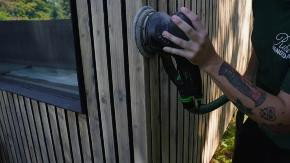
1
Sand the surface scratch-free, finishing at 120 grit.
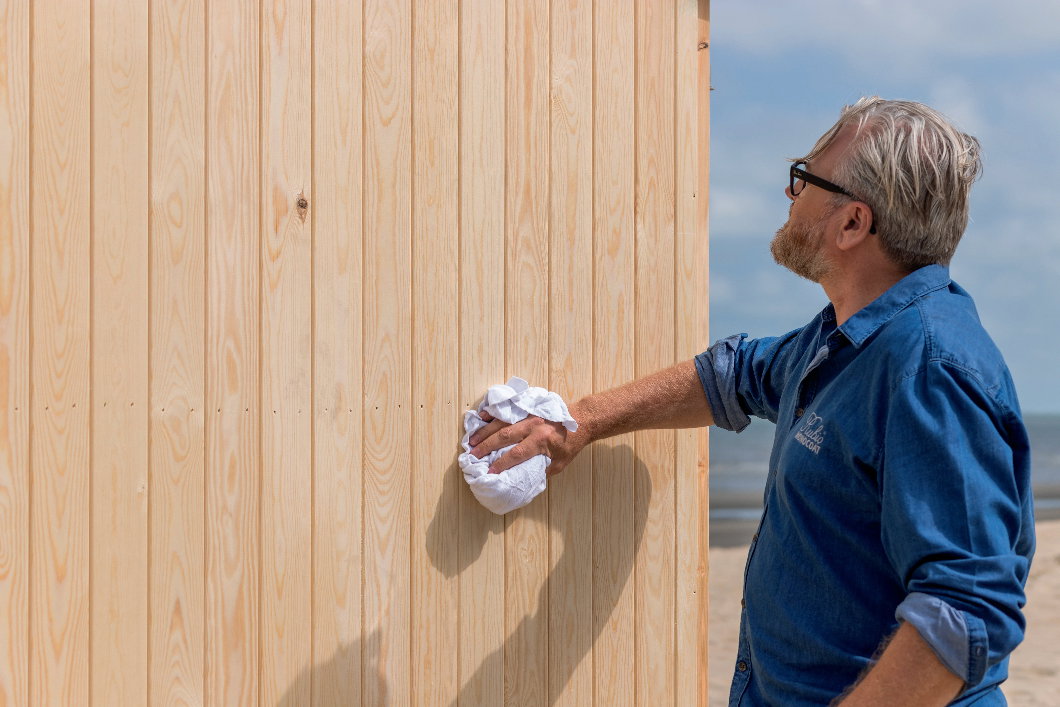
2
Clean with Exterior Wood Cleaner (about 10% cleaner to 90% water), rinse well and let dry fully. Sanding before cleaning is not needed if the wood is weathered, clean first so the sandpaper does not clog.
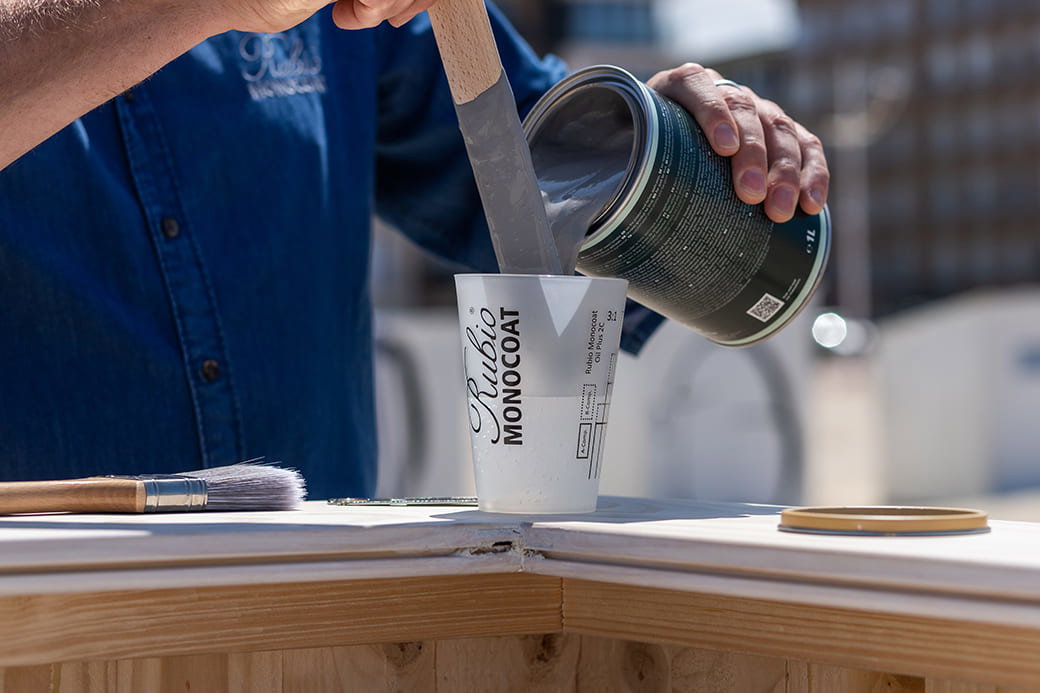
3
Stir well. On new or untreated wood, apply undiluted. On older non-Rubio Monocoat coatings, add 25–50% WoodCream Softener.
4
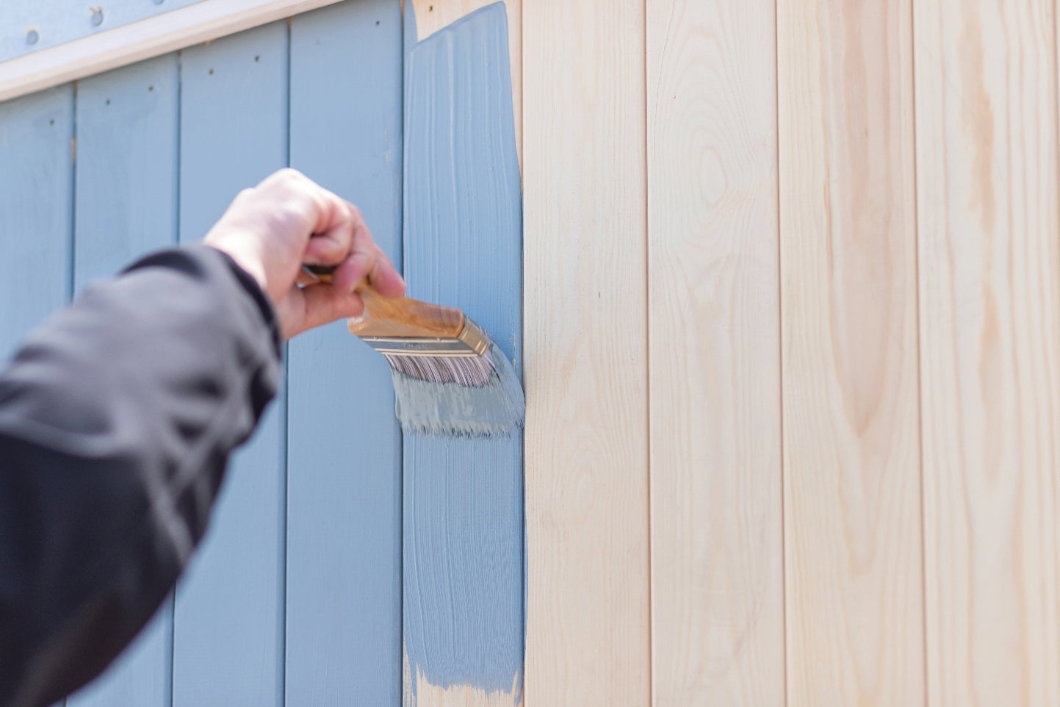
Apply evenly with a WoodCream brush, lengthways along the grain, keeping a wet edge to avoid overlaps.
5
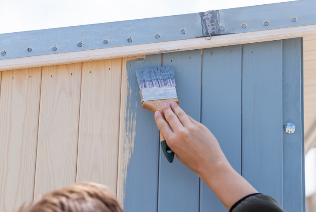
Work in zones of 3 to 4 boards, spreading in one pass and then going over it several times.
6
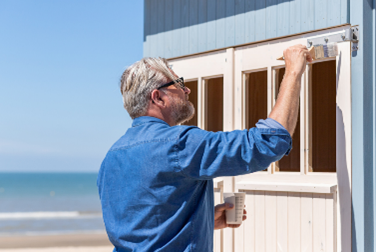
Let dry about 12 hours. For a more opaque result, apply a second coat (always with Softener added) after at least 3 hours.
Caution:
Power washing can seriously damage the wood surface. Use a garden hose instead where you can.
KEEP IT LOOKING GOOD
Maintenance reality: no sanding to refresh
The reason professionals favour penetrating exterior systems is upkeep. Do a visual check each year just after winter.
Dirt or green deposits?
Clean with a soft brush, water, and Exterior Wood Cleaner. No re-coat needed if the colour is sound.
Colour fading?
Clean with Exterior Wood Cleaner, then apply a maintenance coat of DuroGrit in the original colour. Sanding is not necessary. Dilute with up to 20% water to avoid over-application and an opaque finish.
WoodCream surfaces
A yearly visual check, with a refresh coat (Softener added) when the pearl effect eases. No strip-back.
Proof in the field
Proven on demanding exterior projects
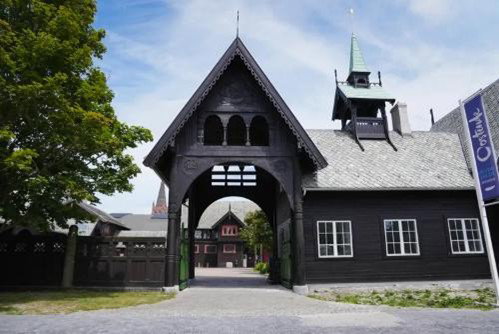
Royal Horse Stables, Belgium
Surface
Exterior cladding
Product
DuroGrit, colour Saddle Black
PROJECT
Historic stables (early 1900s), Ostend; phased restoration
ARCHITECT
Felix & Partners Architects
CONTRACTOR
Artes Group
Result
Pine and Douglas cladding finished in DuroGrit, colour Saddle Black. The architects valued that the wood structure stays visible while the finish still protects, with a deep black tone and the texture preserved.
View project
horse stables
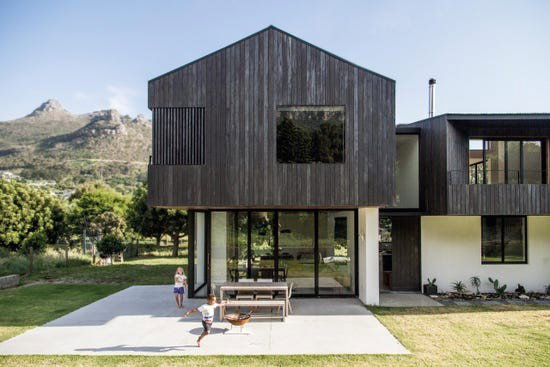
Private residence, Cape Town
Dramatic black Pine cladding finished in WoodCream Bold Black #7, showing how an opaque, water-repellent cream performs on an exposed coastal facade while keeping the wood breathable.
SURFACE
Exterior cladding, ~250 m², exposed coastal facade
Product
WoodCream, colour Bold Black #7
Location
Hout Bay, Cape Town, South Africa
Architect
Salt Architects
Contractor
Musa Renovations and Projects
LunaWood
Photography
© JD Van Der Walt
Challenge
A dramatic opaque black on an exposed coastal facade. Water repellent while keeping the wood breathable.
Result
A natural look that shows the variance of the grain; Rubio Monocoat water-repellent, self-cleaning WoodCream finish
View project
PRIVATE RESIDENCE
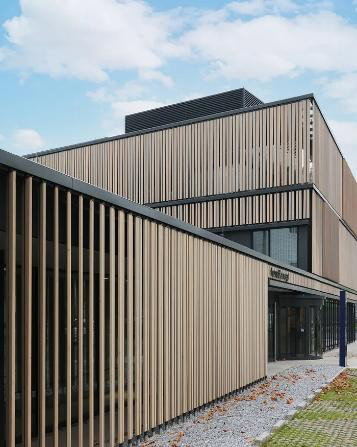
Larch cladding, Austria
Siberian Larch cladding in WoodCream Misty Grey #3, a worked example of using a grey tone to carry a facade gracefully through the weathering process rather than fighting it.
Surface
Exterior cladding
Product
WoodCream, colour Misty Grey #3
WOOD TYPE
Siberian Larch
ARCHITECTS
Innocad Architektur ZT GmbH; Hinterwirth Architekten ZT OG
Joinery
Tischlerei Pachner
Photography
© Paul Ott
Challenge
Carrying a larch facade gracefully through the natural weathering process rather than fighting it
Result
An even grey tone that works with the wood's ageing rather than against it; breathable, water-repellent protection that preserves the natural look and feel
PUBLIC BUILDING
Questions
Frequently asked questions
For decking, the best single-layer choice is Rubio Monocoat DuroGrit.
It is an exterior oil that protects the horizontal surface from UV, water and foot traffic while keeping the grain visible. Because decking takes the most sun and water, plan a refresh up to every two years, which is just a clean and a maintenance coat, not a strip-back.
Protect it from day one with a UV-protecting finish (e.g. Rubio Monocoat DuroGrit), and refresh it before the colour fades too far.
Greying is a natural UV process that you can slow but not stop entirely. Choose the colour by matching the “wet look” of the damp wood and restore any greyed timber with Exterior Wood Cleaner before recoating. If you want the silvered look, WoodCream Transparent #0 lets the wood grey naturally while staying protected.
Use DuroGrit for a natural, transparent look, and WoodCream for an opaque colour or a renovation. Both work on vertical surfaces, only DuroGrit also works horizontally.
For a natural look that shows off the wood grain, use a penetrating decking oil like DuroGrit. It's best for healthy timber and makes future maintenance much easier.
Film-forming stains can give stronger colour on tired boards but are more prone to peeling and need a sound, clean, dry surface. For most decks in good condition, the breathable oil route is the more practical long-term choice.
Not for a maintenance refresh. Cleaning is enough.
Clean the surface with Exterior Wood Cleaner, let it dry, and apply a coat of DuroGrit or WoodCream in the original colour. Sanding is only needed when preparing bare or heavily coated wood for the first treatment, not for routine refresh coats. However, if the colours have faded unevenly or the wood is greyed: first sand the surface and re-apply DuroGrit.
Keep exploring
Further reading
Guide
How often should you treat outdoor wood? A guide
EXPLAINER
Is it really the best? Putting DuroGrit to the test
EXPLAINER
What is best, decking oil or stain? Explaining the difference
GUIDE
Oil or varnish? How to choose the right wood finish
GUIDE
Interior wood finishes: floors, wooden worktops and furniture
About the author
Jan Torfs
Global R&D Director at Rubio Monocoat
Jan Torfs is Global R&D Director at Rubio Monocoat. With over 20 years at the forefront of wood protection technology, Jan leads the science behind the company's single-layer oil system, 0% VOC standards, and third-party certification.
↑ Back to top