


INTERIOR WOOD CARE
Interior wood finishes
How to choose the best finish for your floors, wooden worktops and furniture.

By Jan Torfs, Global R&D Director at Rubio Monocoat. 20+ years in wood protection technology, molecular bonding and compliance.
ON THIS PAGE
The short answer
The best all-round finish for interior wood is a two-component hard wax oil such as Rubio Monocoat Oil Plus 2C. It colours and protects floors, worktops, furniture and stairs in a single layer, keeps the natural look and feel, is certified kitchen-safe and toy-safe. What’s more, it can be spot-repaired without sanding the whole surface.
Discover interior wood protection by Rubio Monocoat
Match the finish to the SURFACE
Which finish for which surface? A decision table
Surface
Recommended product(s)
Key reason
Oak and hardwood floors
Single layer, wear-resistant, scratches blend in and repair locally.
Kitchen worktops & islands
Water and heat resistant once cured.
In some cases: also certified food-contact safe (Rubio Monocoat Oil Plus 2C).
Dining tables & furniture
Natural feel under the hand, invisible spot repair for scratches.
Stairs
Faster cure and extra wear resistance for a high-traffic surface.
Cutting boards & toys
EC 1935/2004 food contact and EN 71-3 toy safety certified.
Extra sheen on any of the above
Durable satin look over the oiled surface.
SURFACE BY SURFACE
Best oil for oak floors
Oak is the benchmark flooring timber, and it suits hard wax oil perfectly. The grain stays open and visible, the colour deepens naturally, and the finish handles daily foot traffic without building a plastic-looking film.
Since Oil Plus 2C is a two-component product, make sure to mix in the Accelerator (Component B). The Accelerator drives a reaction that cures the oil inside the wood fibres, giving a harder, more wear-resistant finish across the whole floor. On tannin-rich oak, a Tannin Primer before oiling prevents surface tannin marks without affecting the molecular bond.
The long-term advantage on a floor is repairability. A scratch in an oiled oak floor compresses the fibres rather than cracking a film, so it blends in over time, especially on brushed or textured boards, and a worn patch can be re-oiled locally instead of sanding the entire room.
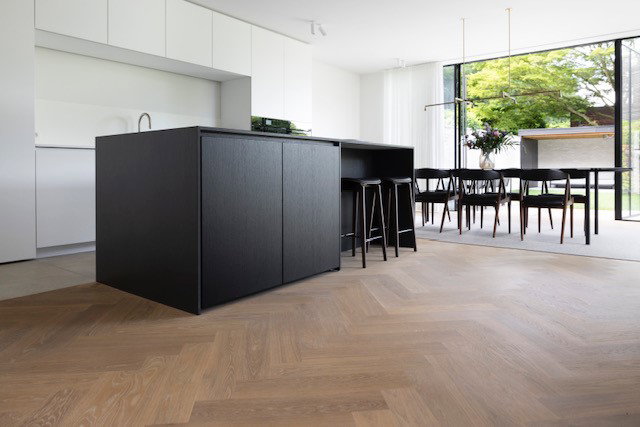
European oak floor finished with Rubio Monocoat Oil Plus 2C
Best oil for wooden worktops (and why food-safe matters)
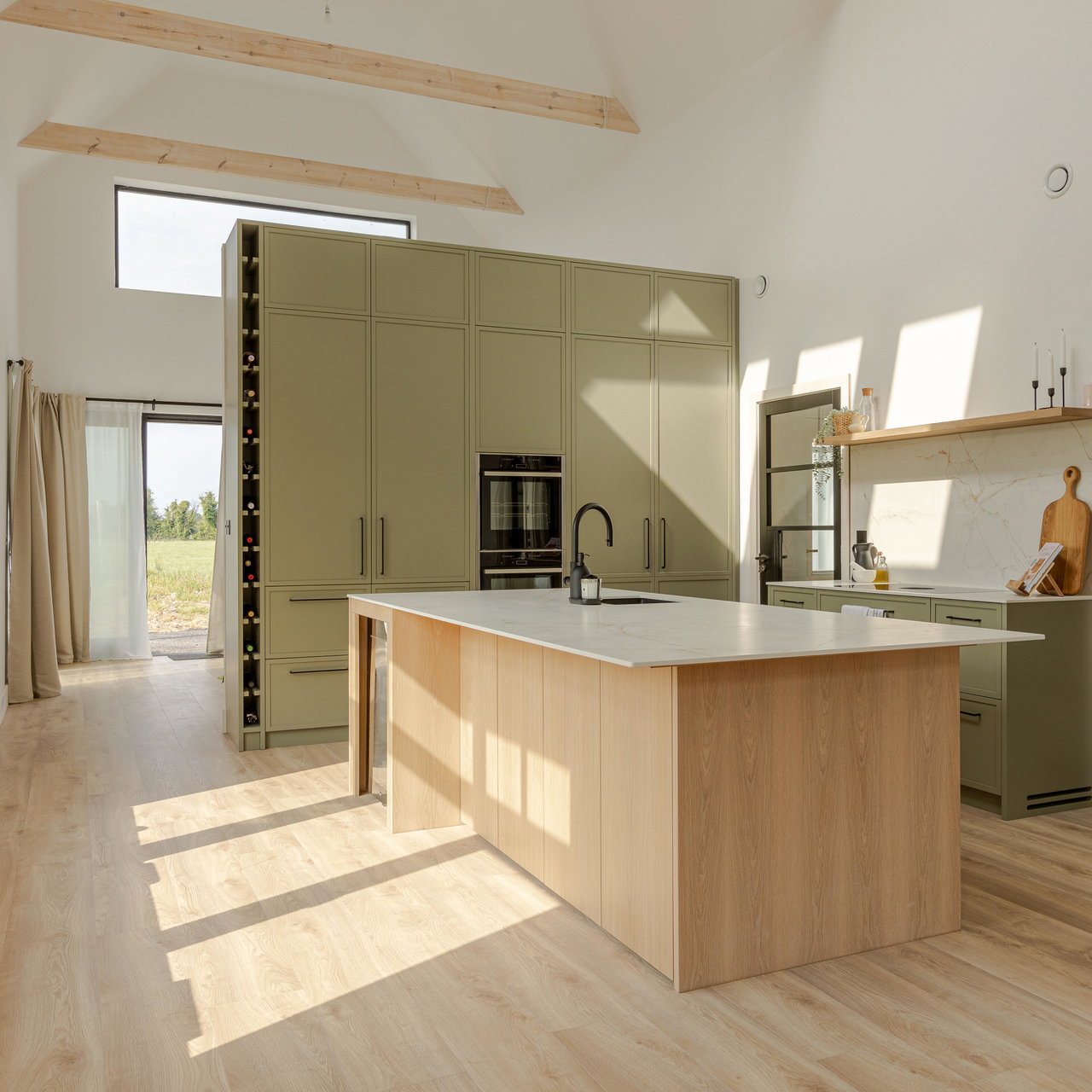
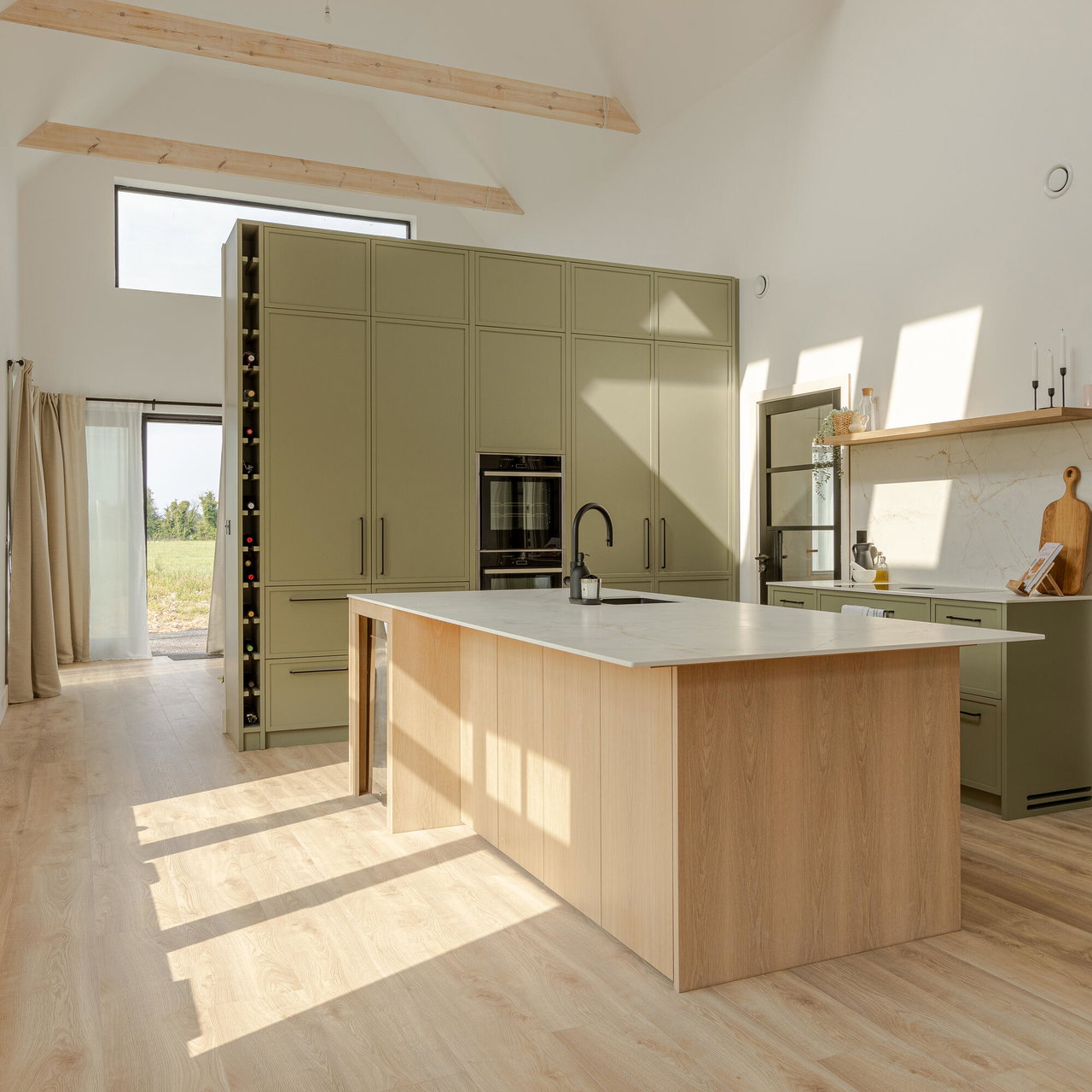
Rubio Monocoat Oil Plus 2C "Smoke" on oak veneer
© Kitchen design and manufacture: East Coast Joinery Ltd - Photographer: Pawel Wach - Building project: Mark Byrne Engineering Ltd.
A kitchen worktop is the hardest test for any wood finish: water, heat, knives, food and frequent cleaning. The finish must be both tough and genuinely safe for food contact.
Oil Plus 2C by Rubio Monocoat is certified for food contact under European Framework Regulation EC 1935/2004 and the American FDA 21 CFR 175.300, so it can be used on worktops, tabletops and cutting boards. Once fully cured it is water and heat resistant, and a burn or knife mark can be spot-repaired in minutes rather than refinishing the whole surface.
Best oil for furniture, tables & stairs
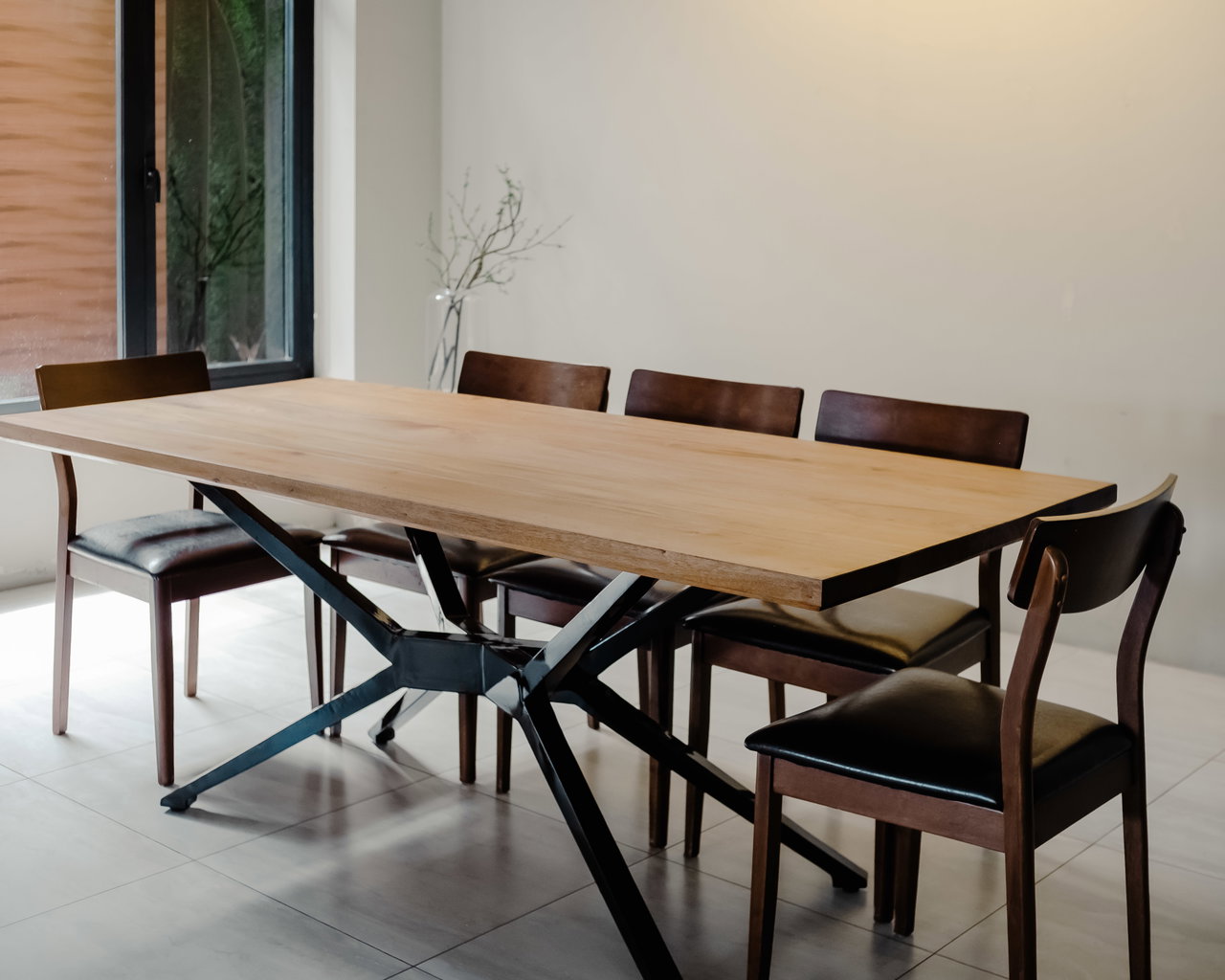
Rubio Monocoat Oil Plus 2C "Walnut" on a mahogany dining table
© Genard Fang Lumaquez of Gen by Design Furniture Studio, Philippinesy
On furniture, the appeal of a hard wax oil is the feel. You keep the texture of the wood under your hand instead of a sealed coating, and the matte, grain-forward look suits everything from a reclaimed dining table to a fine veneer cabinet.
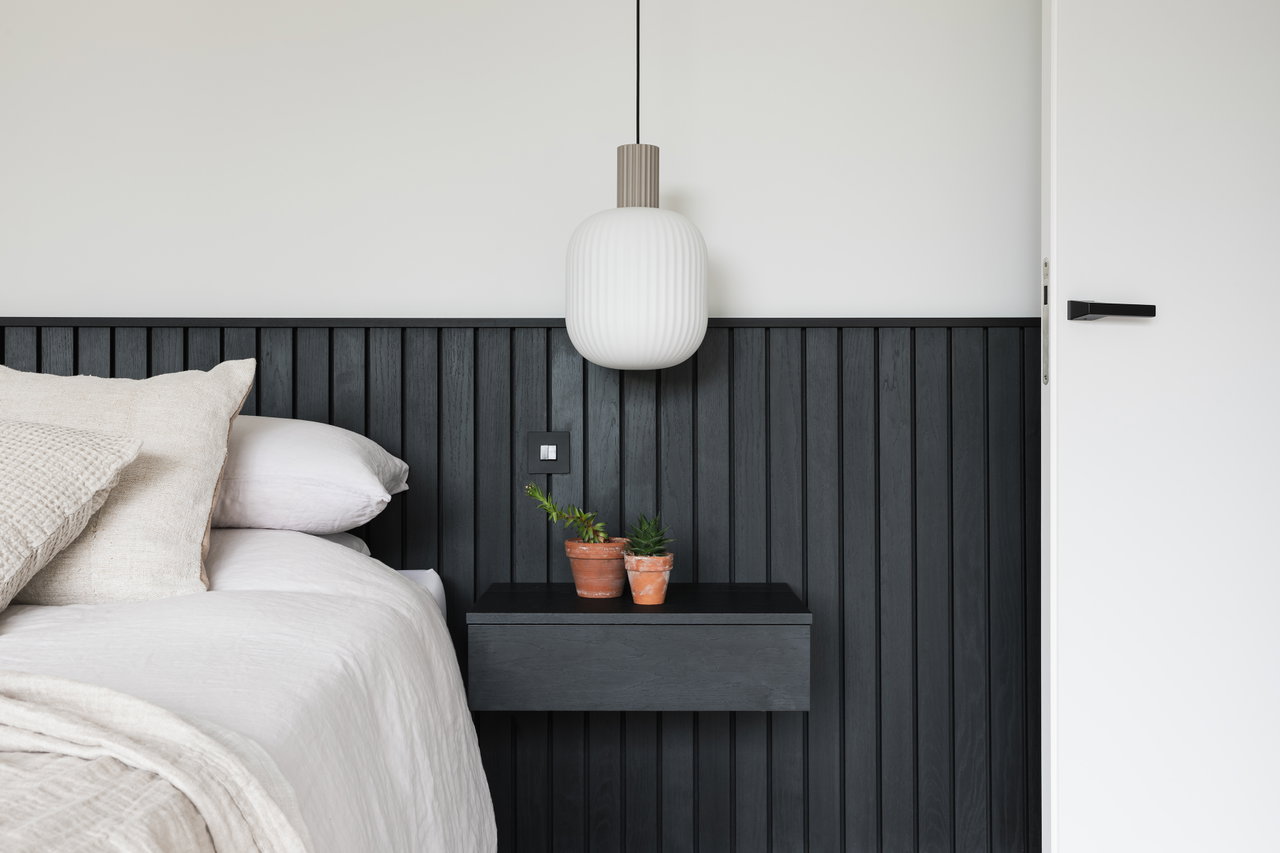
Oak headboard finished with PreColour "Jet Black" + Oil Plus 2C "Black"
© Lamco Design, Oliver Smith photography
For a creative finish, Oil Plus 2C combines with two optional pre-treatments: PreColour for intense or contrasting colour, and Pre-Aging for a fumed or smoked look. Both must be topped with Oil Plus 2C for protection, they do not protect the wood on their own.
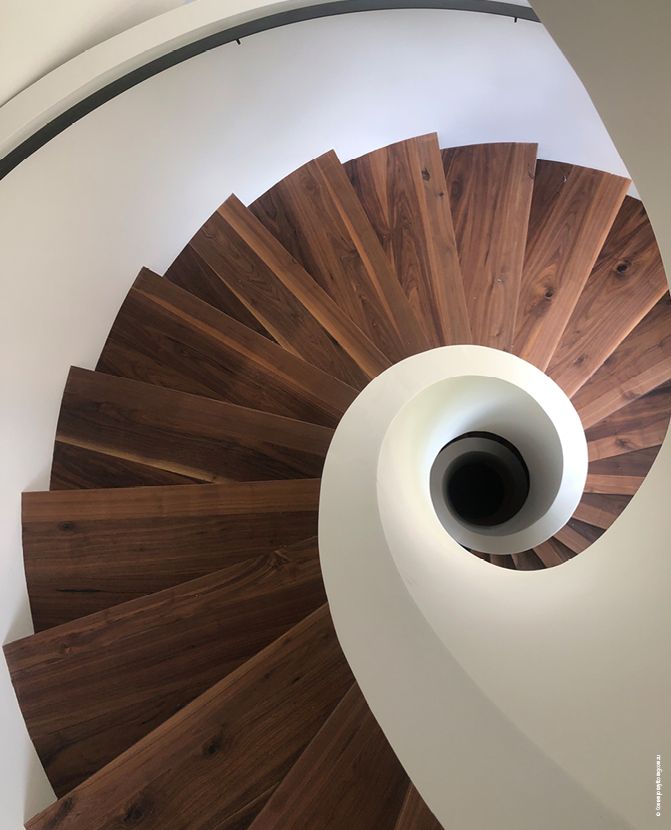
Oil Plus 2C "Pure" on walnut stairs
© Contemporary Flooring Solutions
Stairs sit between furniture and flooring in wear terms. Treat them like a floor: one layer of Oil Plus 2C with Accelerator Component B for a faster, harder cure that a stairway's traffic deserves.
THE EVIDENCE
The evidence: coverage, cure & certification
1
single layer
MOLECULAR BOND, NO SECOND COAT NEEDED
30–50 m²/L*
coverage
Low consumption keeps cost per m² down
12–24 hours
drying time
Light traffic possible from 12 hours
5–7 days
curing time
80% cured in 2 days
0%
VOC content
GreenGuard Gold, Eurofins Indoor Air Comfort Gold, A+ Label
Certified
food contact & toy safety
EC 1935/2004 FOOD CONTACT, EN 71-3 TOY SAFETY
40
colours
Additional custom-made colours upon request
8–30 °C
working temperature
Wood moisture 8–12%, humidity 35–60%
*Usage values are indicative and vary with wood species and preparation. Always make a sample to confirm both colour and exact consumption on real wood.
GET IT RIGHT
How to apply Oil Plus 2C?
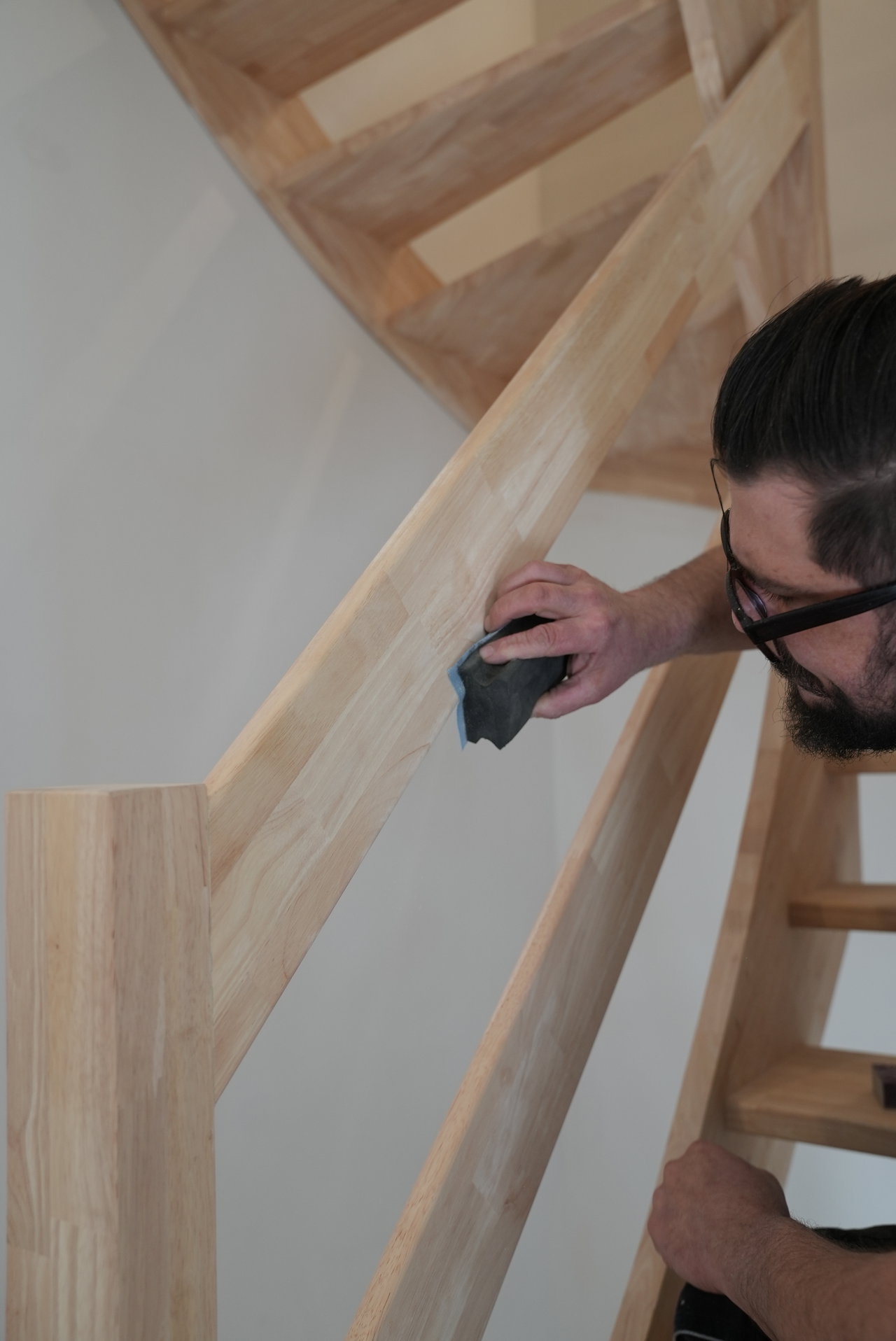
1
Sand scratch-free. Finish at 100 grit for floors, or 100 - 150 grit for furniture, stairs and worktops.
2
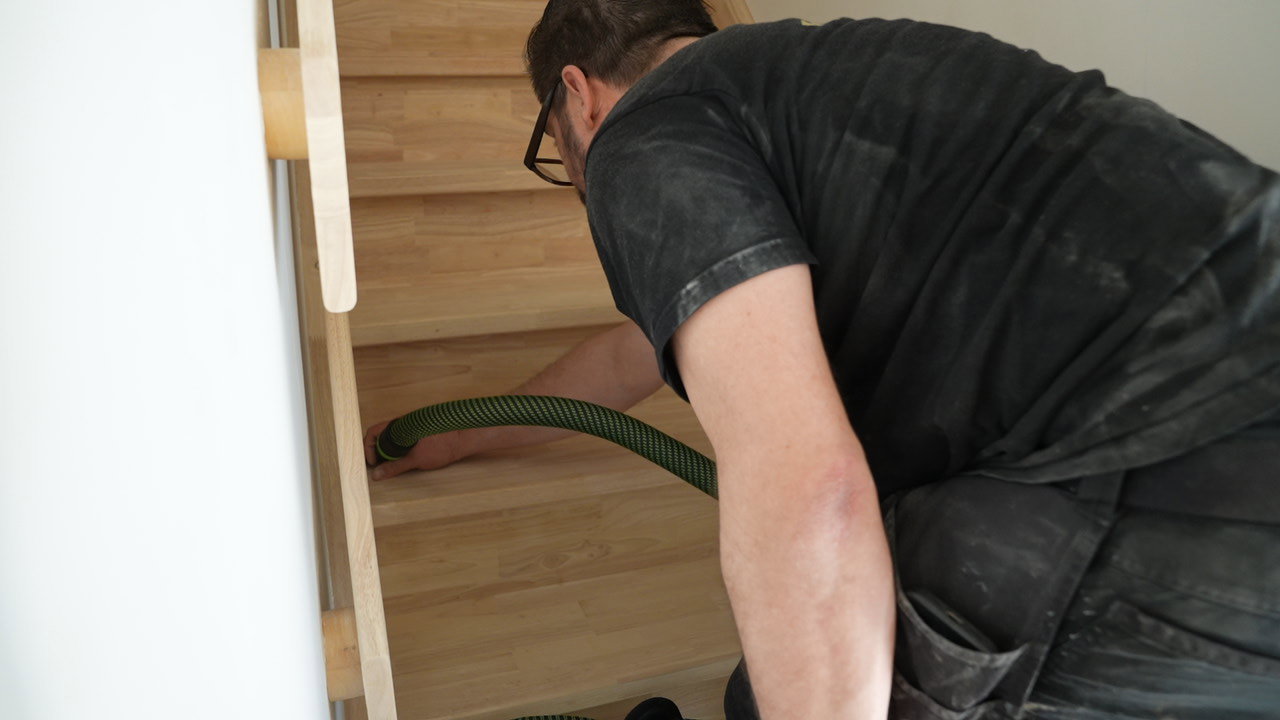
Vacuum, then remove the last dust with Cleaner. Let the surface dry completely.
3
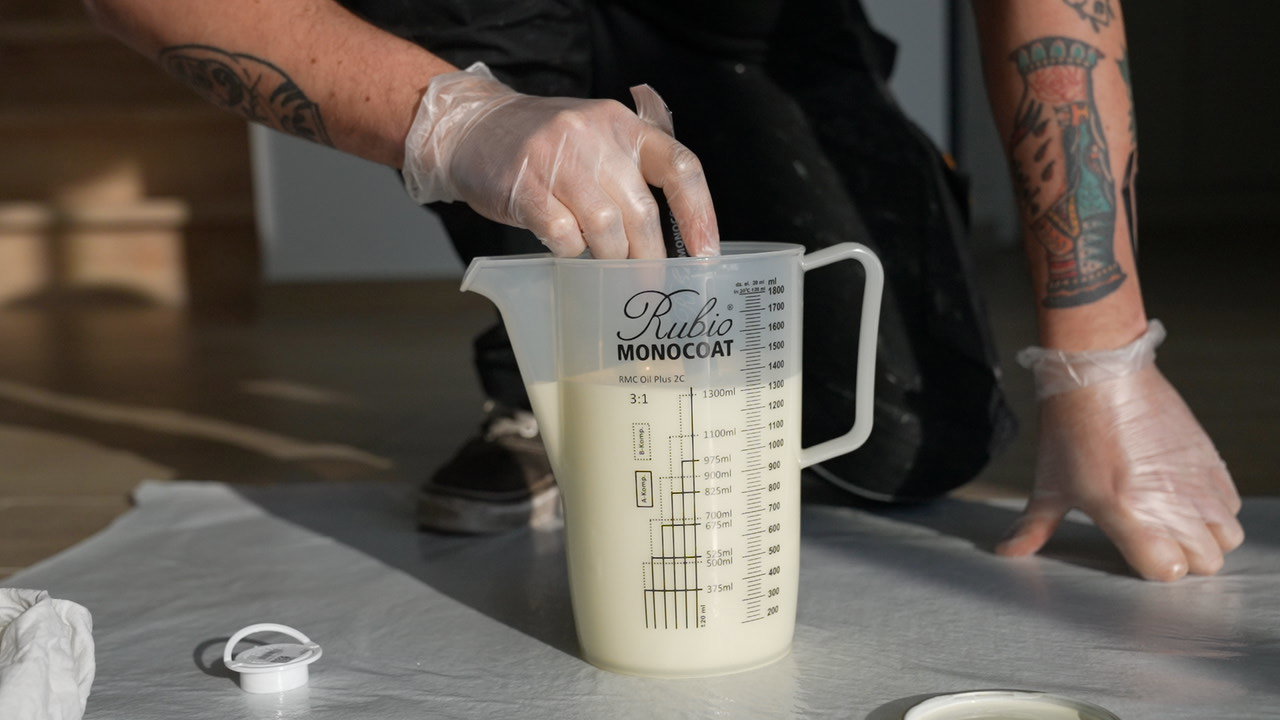
Mix roughly 3 parts A (oil) to 1 part B (hardener) for 1 to 2 minutes. For stairs and worktops, add Accelerator Component B at up to 30% for a faster, harder cure.
4
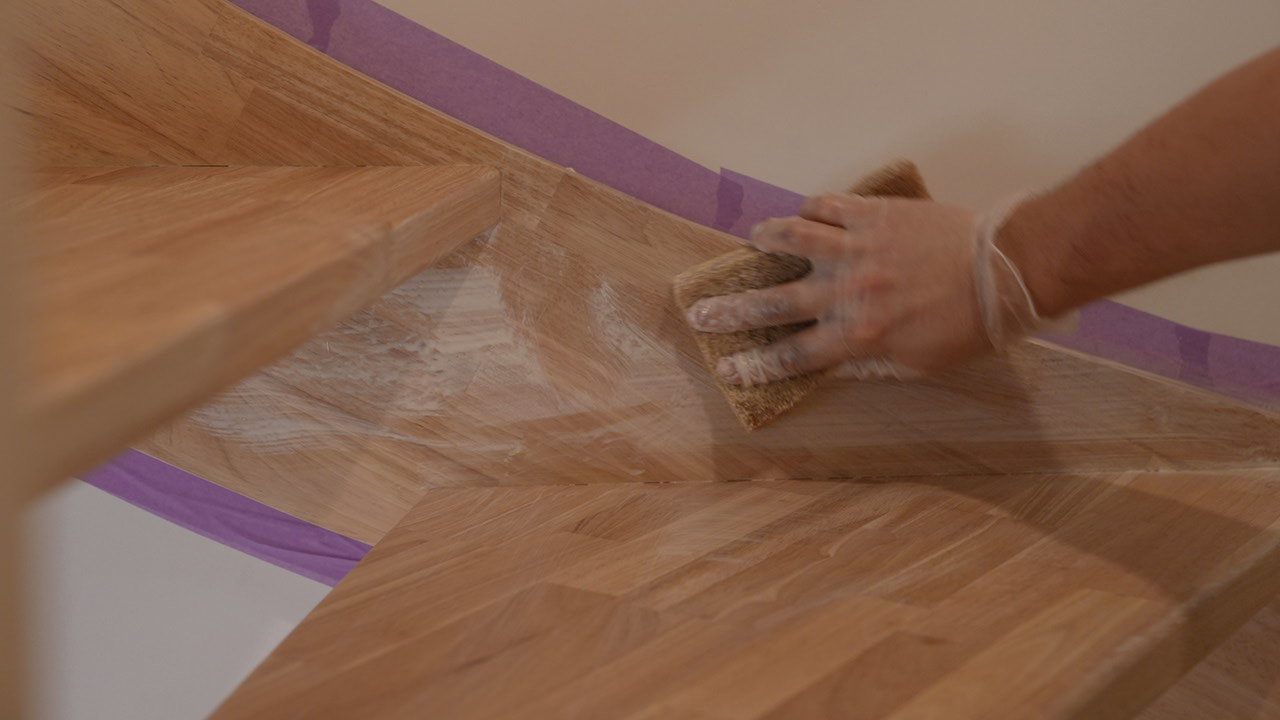
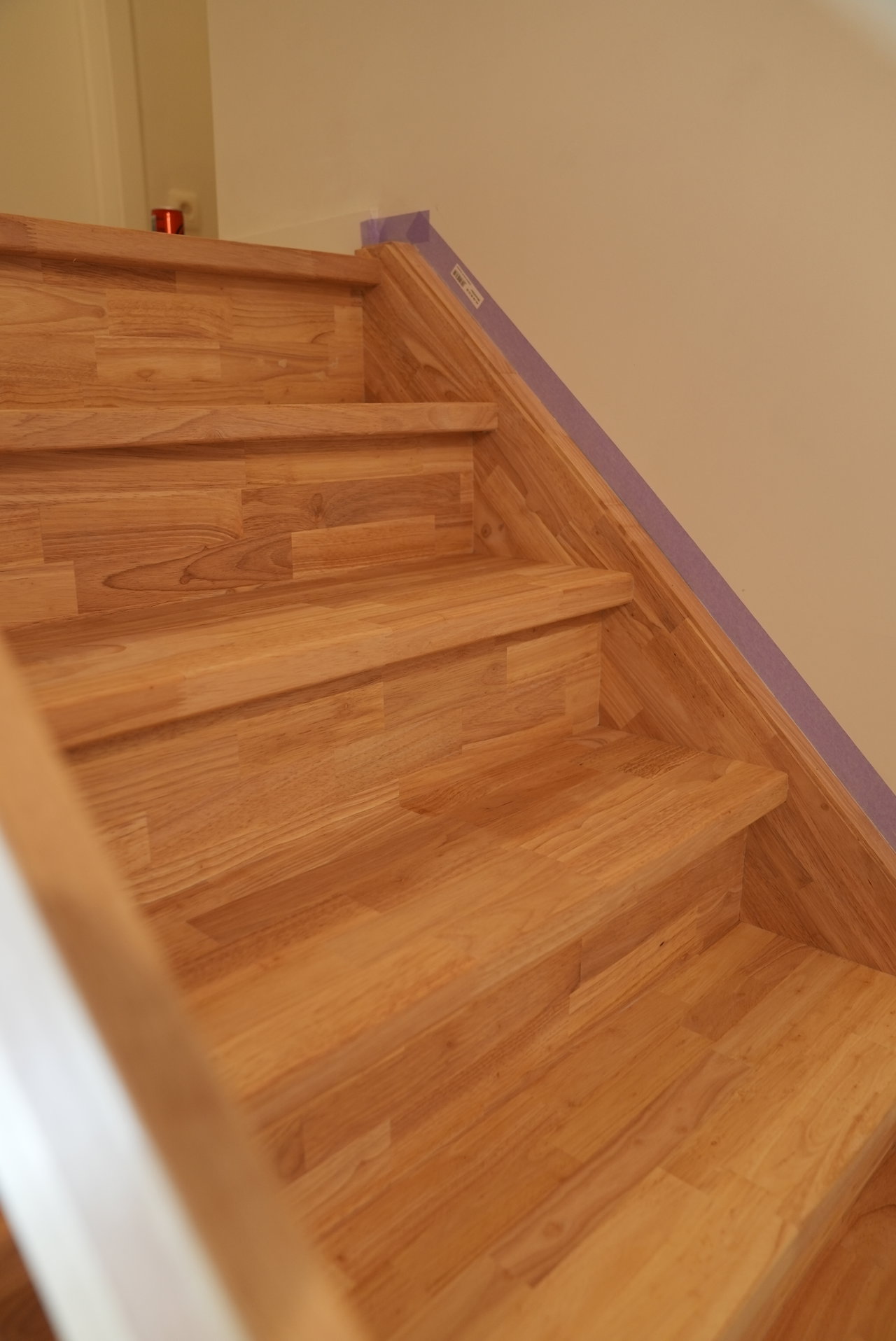
Apply a small amount with a beige or red pad, in zones of 5–10 m² on floors, working in the direction of the grain.
5
Let it absorb for a few minutes.
6
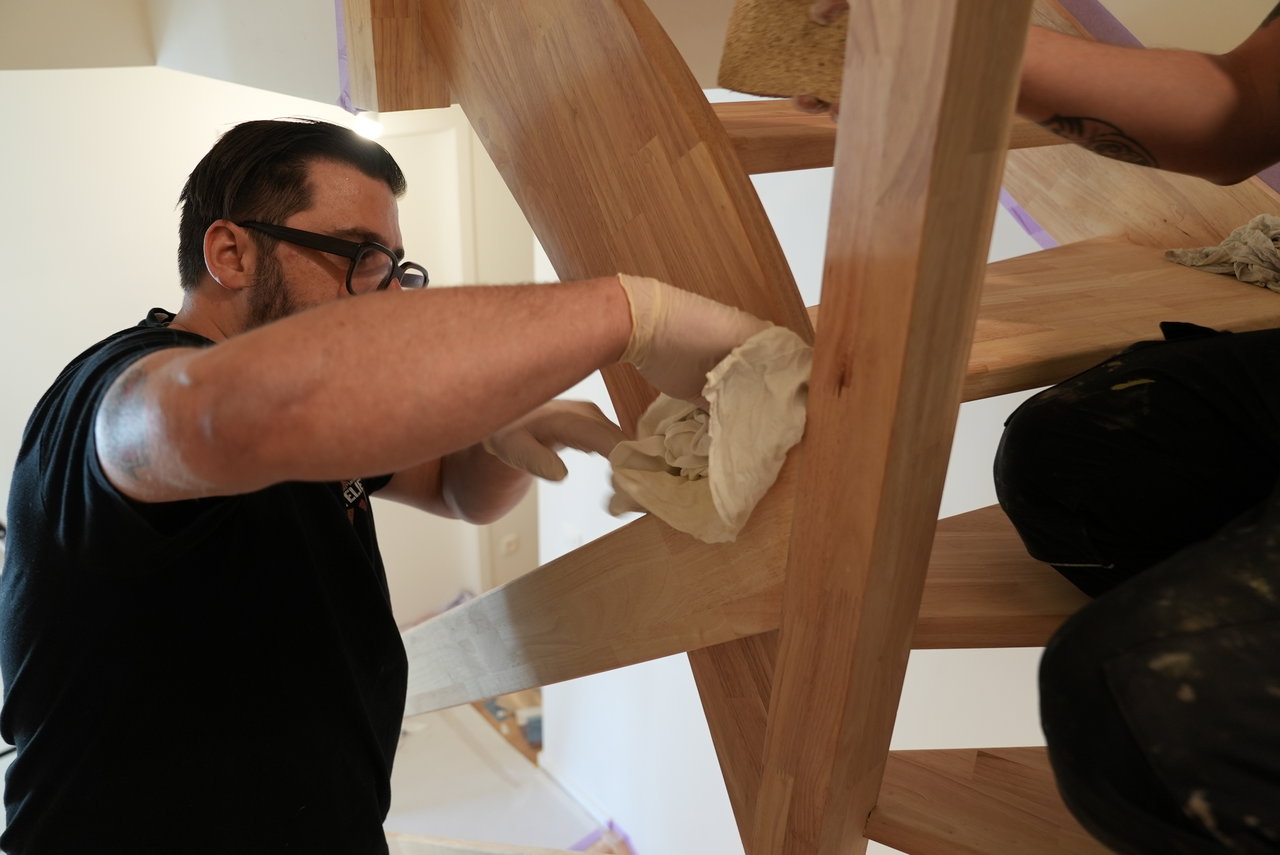
Wipe back all excess with a white pad or cloth. The surface must feel non-sticky.
7
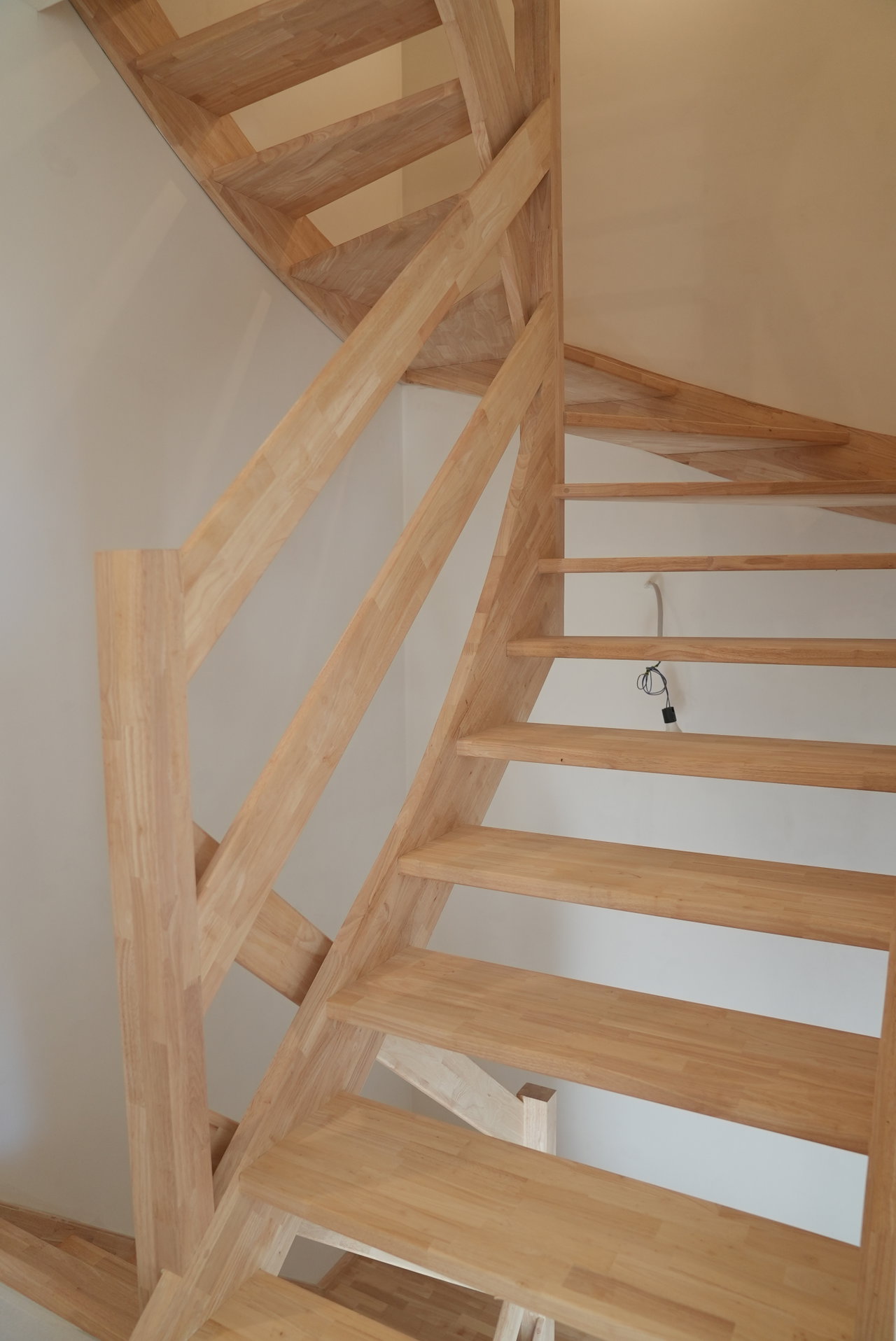
Cure: light traffic after about 12 hours, full cure in 5 -7 days. No water or cleaning for the first 5 days.
Watch: how to apply Oil Plus 2C
Safety note:
Wear gloves throughout, and soak all cloths and pads in water before disposal, oil-soaked rags can self-heat and catch fire.

The long view
What wood oil will look like over time
Hard wax oil (e.g., Oil Plus 2C)
Year 1 to 2
Hard wax oil (Oil Plus 2C)
Clean with a pH-neutral soap diluted in water (All Natural Wood Cleaner). No nourishing soaps needed.
Year 3 to 5
Hard wax oil (Oil Plus 2C)
A maintenance oil coat refreshes high-traffic areas, often in a single afternoon, with no sanding.
Year 10+
Hard wax oil (Oil Plus 2C)
If maintained, nothing more than another maintenance coat. If neglected, local areas can be sanded and re-oiled without touching the whole surface.
Proof in the field
Proven on the world’s busiest interiors
High-quality wood oil performs in homes, and it also holds up where durability is tested hardest.
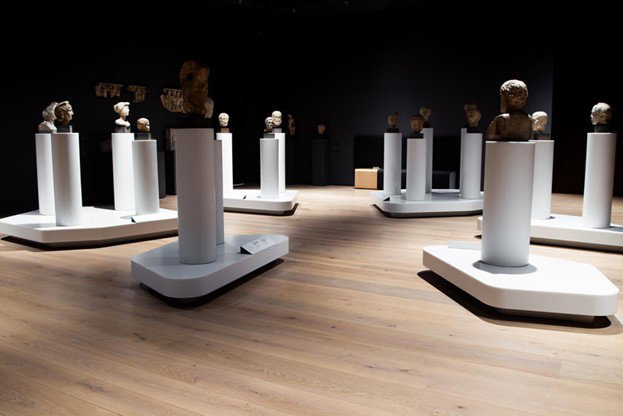
National Museum Oslo, Norway
Surface
Oak parquet floors, 13,000 m² (42,650 ft²)
Product
Oil Plus 2C, colour Natural + Pure
Wood type
Oak (supplier: Hørning Parket AS, Denmark & Parkettgruppen AS, Norway)
Opened
2022 (new building)
Challenge
Hundreds of thousands of visitors annually; finish must not distract from the art
Result
Natural-look oil finish that ages gracefully without requiring floor closure for maintenance
View project
Museum
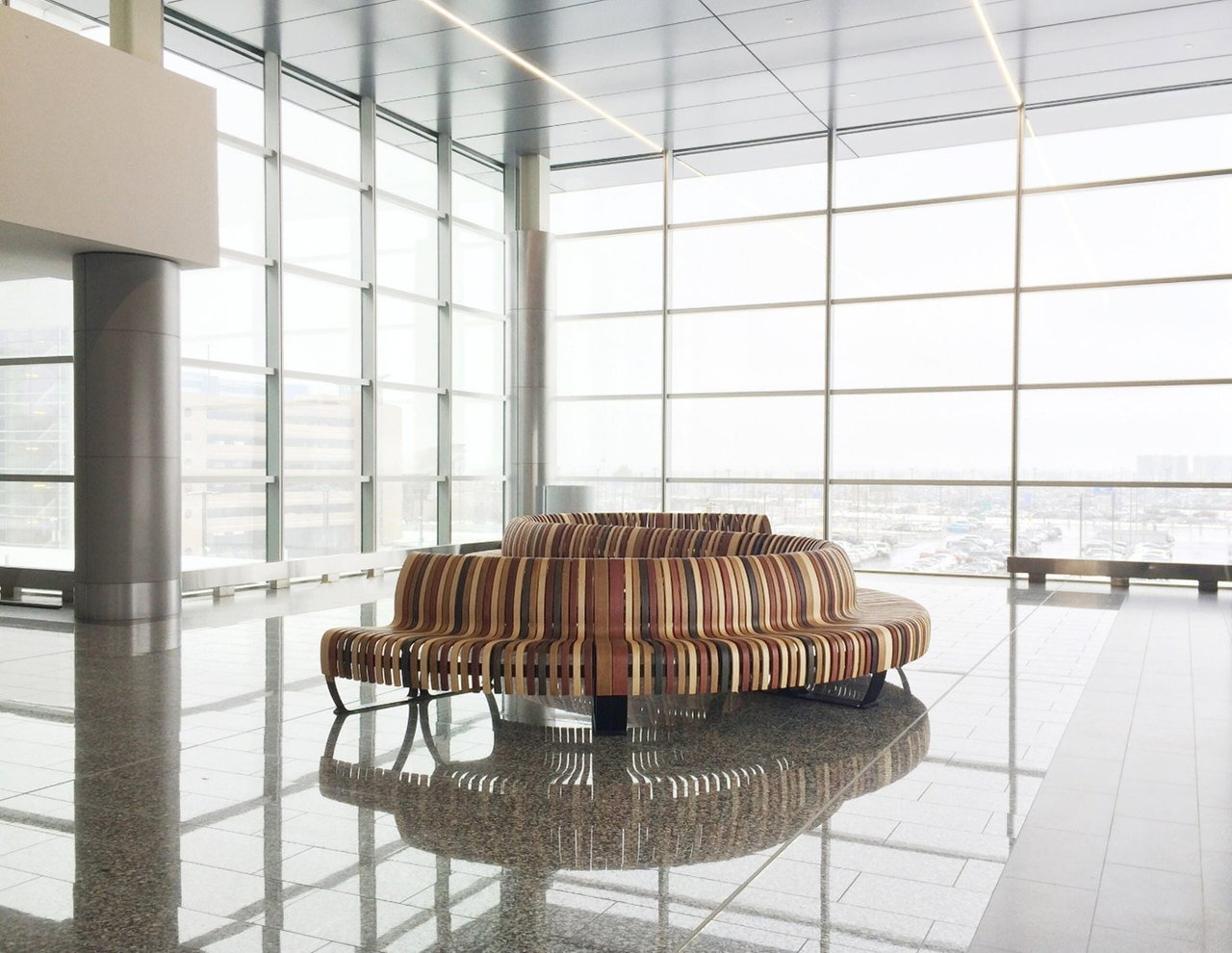
Calgary International Airport, Canada
Surface
Oak and maple seating, international terminal
Product
Rubio Monocoat Oil Plus 2C
Opened
October 2016 (international terminal)
Throughput
Over 18 million passengers a year
CHALLENGE
Constant use, frequent spills, harsh commercial cleaning; airport never closes
Result
Staff perform spot repairs on benches in situ, without taking seating units out of service
View project
Airport
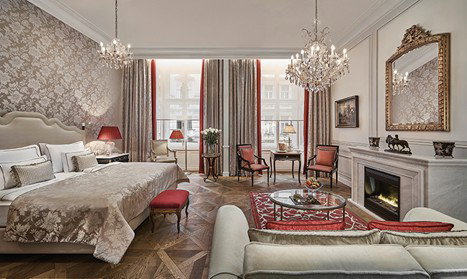
Hotel Sacher, Vienna, Austria
Surface
Oak parquet floors, 7 suites (bel étage)
Product
Rubio Monocoat Oil Plus 2C (custom shades matched to existing patina)
Renovation
Completed 2017
Challenge
Match existing historic patina; heat and water resistance for bathrooms; zero disruption to hotel operations
Result
Invisible spot repairs by staff; no noisy sanding equipment; suites never taken out of service
Hotel
Questions
Frequently asked questions
A two-component hard wax oil such as Rubio Monocoat Oil Plus 2C is the best all-round choice for oak floors.
It colours and protects in a single layer, keeps oak’s natural grain and matte look, and handles high traffic. Scratches blend in over time and worn patches can be re-oiled locally, so the floor can last a lifetime without a full sand-back.
Yes, Oil Plus 2C is certified for food contact and is safe for worktops, tabletops and cutting boards once cured.
It complies with European Regulation EC 1935/2004 and American FDA 21 CFR 175.300. Allow the full cure time before preparing food on the surface. Avoid using everyday kitchen oils such as olive oil, which never fully harden.
No. Oil Plus 2C is a genuine single-coat system.
The hardener (Part B) drives a chemical reaction that bonds the oil to the wood fibre, so a second coat is neither needed nor beneficial. Any excess just sits on top and has to be wiped away.
Clean with All Natural Wood Cleaner or Universal Soap and water , at most once a week, and add a maintenance coat every few years.
There is no need for nourishing soaps, because the finish is inside the wood rather than a film to feed. A maintenance oil coat refreshes high-traffic areas in an afternoon, with no sanding required.
Yes. Oil Plus 2C is formulated for all interior wood surfaces.
Floors, stairs, furniture, tabletops and worktops all use the same single-layer hard wax oil. Thanks to the Accelerator (Component B) curing is fast and offers extra wear resistance.
About the author
Jan Torfs
Global R&D Director at Rubio Monocoat
Jan Torfs is Global R&D Director at Rubio Monocoat. With over 20 years at the forefront of wood protection technology, Jan leads the science behind the company's single-layer oil system, 0% VOC standards, and third-party certification.
↑ Back to top